Featured


Securing Yourself From Time-Barred Claims in Your Area
Table of Contents
The Present State of Financial Obligation Collection in 2026
Customer finance underwent substantial shifts as 2026 began. Automated systems and expert system now drive the majority of initial lender outreach, making it much easier for companies to get in touch with people across various metropolitan areas. While the technology used by collectors has actually altered, the legal protections established by federal and state federal governments stay the main defense for consumers. Comprehending these rights is the primary step towards regaining control over a hard monetary scenario. The majority of people experience debt collectors through call, however in 2026, digital messages by means of social networks and encrypted apps have become basic practice. These techniques are strictly managed to prevent harassment and make sure personal privacy.
Federal law dictates how and when a collector can make contact. The Fair Financial Obligation Collection Practices Act (FDCPA) continues to be the most relevant piece of legislation for citizens in the local region. Under these guidelines, collectors can not call before 8 a.m. or after 9 p.m. in the customer's time zone. They are also prohibited from contacting individuals at work if they have actually been notified that the employer does not allow such calls. Competence in Debt Relief provides the needed background for understanding these credit laws and how they use to modern-day interaction approaches. When a collector overlooks these boundaries, they might be accountable for damages in a law court.
Digital Communication and Consumer Personal Privacy
Current updates to Guideline F have actually clarified how financial obligation collectors utilize email and text messages. In 2026, a collector needs to supply a clear and simple method for a customer to decide out of digital communications. If an individual demands that a collector stop texting them, the firm must honor that demand right away. Additionally, collectors can not publish about a debt on a public social media page where good friends, household, or companies may see it. Private messages are allowed, but the collector should recognize themselves as a financial obligation collector in the first message. This transparency prevents misleading practices that were typical in previous years.
Validation notices have actually also evolved. When a collector very first contacts somebody in the local vicinity, they need to send a written notice within five days. This file must include the amount of the financial obligation, the name of the lender, and a statement describing the consumer's right to contest the financial obligation within 30 days. If the financial obligation is challenged in composing, the collector needs to stop all collection activity till they offer confirmation of the debt. This pause offers the specific time to seek expert advice or confirm that the financial obligation in fact belongs to them. Effective Debt Relief Strategies stays a practical choice for those overwhelmed by multiple high-interest accounts and aggressive collection strategies.
Nonprofit Resources and Debt Management
Lots of people dealing with aggressive collection efforts turn to U.S. Department of Justice-approved 501(c)(3) nonprofit credit therapy agencies. These companies offer free credit counseling and help people understand their choices without the bias of a for-profit lending institution. A main tool used by these companies is the financial obligation management program. This program consolidates different regular monthly commitments into a single payment, which the firm then distributes to creditors. This often leads to considerably lower rate of interest and the waiver of late costs, making the financial obligation much simpler to settle in time.
These not-for-profit firms run across the country, supplying geo-specific services throughout every state in the nation. By partnering with regional neighborhood groups and banks, they make sure that help is available despite a person's area. Due to the fact that they are DOJ-approved, these firms likewise supply compulsory pre-bankruptcy counseling and pre-discharge debtor education. This is a requirement for anyone seeking legal relief through the court system in 2026. Reliance on Debt Relief in Warwick prevails amongst locals facing unexpected medical expenses or task loss who need structured support to avoid insolvency.
Safeguarding Your Rights Against Harassment
Harassment stays illegal regardless of just how much money is owed. Collectors are restricted from using profane language, making dangers of violence, or consistently sounding a phone with the intent to irritate. In 2026, "financial obligation parking"-- the practice of positioning an unproven financial obligation on a credit report to force payment-- is likewise a significant focus for regulators. Consumers need to routinely check their credit reports to guarantee no unapproved collections have appeared. If a collector makes an incorrect claim, such as threatening arrest or claiming to be a law enforcement officer, they remain in direct offense of federal law.
Composing a stop and desist letter is a powerful tool for those who desire to stop the phone calls totally. Once a collector receives a written demand to stop contact, they might just call the person one more time to acknowledge the letter or to alert them that a particular legal action, such as a claim, is being taken. While this does not eliminate the financial obligation, it provides mental relief from the consistent pressure of collection calls. It is typically during this peaceful period that individuals deal with a therapist to develop a sustainable budget plan or sign up with a debt management plan.
Real Estate Counseling and Monetary Literacy
The relationship in between unsecured financial obligation and housing stability is a major concern for homeowners in the surrounding area. HUD-approved real estate therapy is frequently readily available through the same not-for-profit networks that provide credit suggestions. These services help property owners navigate foreclosure prevention and assist occupants in understanding their rights during monetary hardship. Financial literacy education is another pillar of the not-for-profit objective, teaching people how to handle cash circulation and utilize credit properly to prevent future concerns with collectors.
Community-based companies and independent affiliates extend the reach of these programs into varied areas. By offering culturally relevant education and regional resources, these groups assist debunk the intricate world of debt and credit. In 2026, the focus has actually shifted toward proactive financial health rather than just reacting to crises. Many individuals discover that engaging with a credit therapist early in the process avoids the requirement for more extreme measures later on. These experts provide a buffer between the customer and the collector, working out terms that the individual may not be able to secure on their own.
Actions to Take When Gotten in touch with
If a collector calls today, the primary step is to remain calm and collect info. Do not confess to the debt or make a payment over the phone till the debt has been validated in writing. Request the collector's name, their company's name, their expert license number, and their mailing address. Recording these information is crucial for keeping a paper path. If the collector declines to supply this details, it is a substantial red flag that the call might be a rip-off or a dishonest agency.
After getting the recognition notice, compare the information with individual records. If there are discrepancies, file an official conflict. This action needs the collector to supply proof of the financial obligation's credibility. During this time, consulting with a nonprofit agency can assist figure out if the debt is within the statute of constraints. Every state has a time limit on how long a financial institution needs to demand a financial obligation. In 2026, these limits vary, but once a debt is "time-barred," a collector can no longer utilize the court system to force payment, though they may still attempt to get in touch with the debtor in some jurisdictions.
Navigating the world of financial obligation collection needs a mix of legal knowledge and expert support. By utilizing the securities provided by the FDCPA and the resources offered by DOJ-approved nonprofits, people can move toward financial healing. The goal is always to fix the financial obligation in a method that is fair and sustainable, guaranteeing that fundamental needs like housing and energies are focused on over aggressive collection needs.

Latest Posts
Top Credit Management FAQs for 2026

Effective Methods for Managing Consumer Debt in 2026
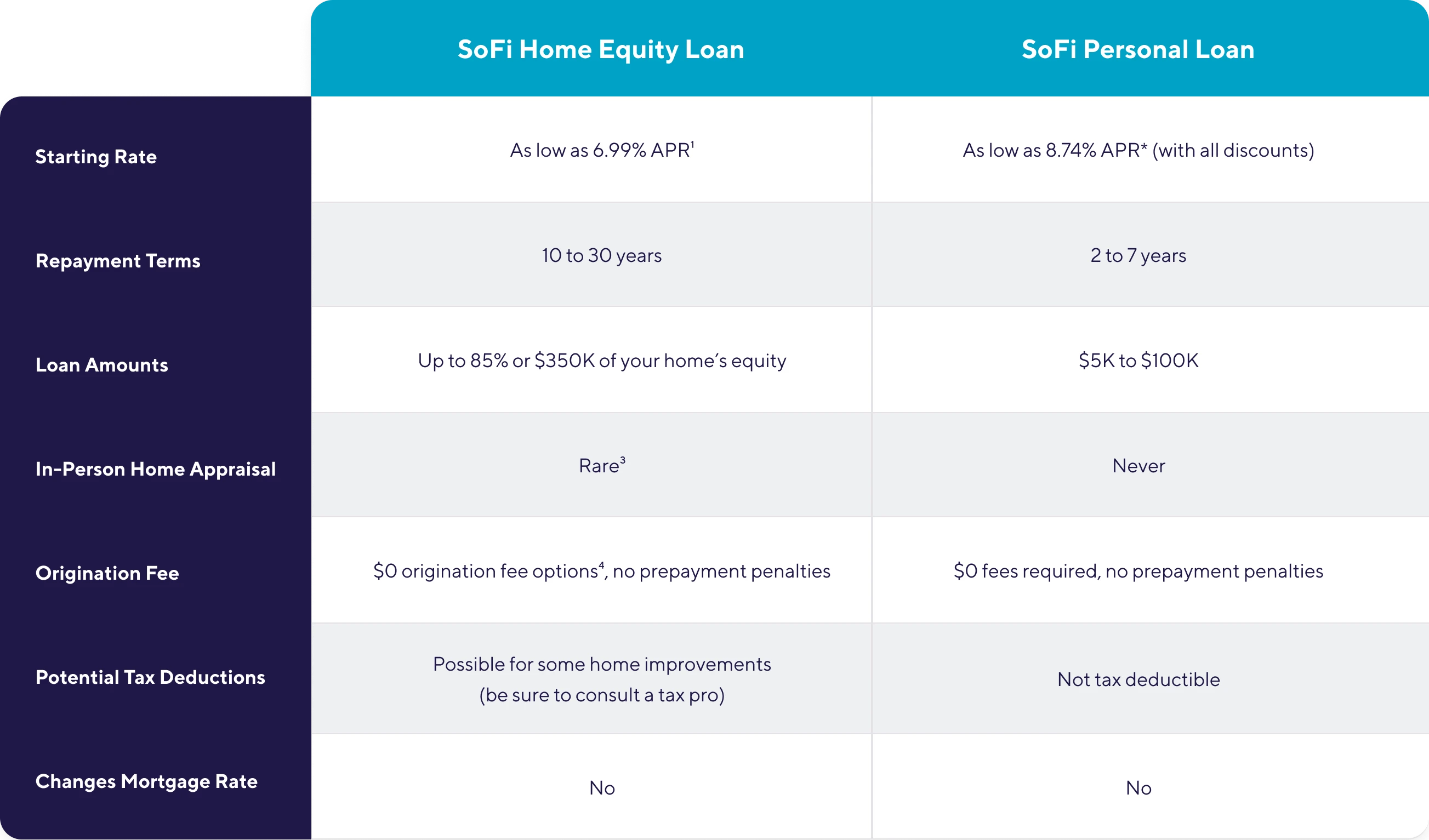
Comparing Rate Saving Tactics for Personal Debt